International Online Symposium · June 1, 2026

Human–AI
Creative Workflows

The growing complexity arising from the integration of Generative AI into creative practices requires equally complex theoretical, conceptual, and methodological approaches across disciplines. This symposium brings together scholars, professionals and creative practitioners who study Human–AI creative workflows.

Spanning from different fields and areas, the symposium will present research papers examining how AI reshapes authorship, agency, labour, and creative processes. The symposium takes place fully online on June 1, 2026 and is free to attend.

Organized by scholars from Pompeu Fabra University (Barcelona), University College London, and the University of Amsterdam.

Symposium starts in
--Days
:
--Hours
:
--Min
:
--Sec
DateMonday, June 1, 2026 · 11:15 CET
Format100% Online · Synchronous · Free
CertificateAvailable on request
LanguageEnglish
Zoom LinkThe link to join will be sent to registered participants before the event.

Programme

Subject to changes, all hours are in CET.

Time (CET)Session
11:15OpeningOpening Words — Àlex Valverde-Valencia (15 min)
11:30Panel ACreativity, Art and New Workflows (60 + 20 min Q&A)
12:5040-Minute Lunch Break
13:30Panel BIndustry, Labour and Distributed Agencies (60 + 20 min Q&A)
14:5010-Minute Break
15:00Panel CAuthorship, Resistance and Learning (60 + 20 min Q&A)
16:20DiscussionCommunity Discussion — All participants (30 min)
16:50ClosingClosing Remarks — Organising Committee

Click any paper title to read the abstract.

A
11:30–12:50 CET  ·  Chair: Szilvia Ruszev (UCL)
Creativity, Art and New Workflows
This paper argues that current debates on Human–AI creativity overlook a crucial temporal and operational dimension: the question of when, under what conditions, and through which sequences of mediation an output becomes legible as art. Drawing on Rancière, Steyerl, Wark, and Parikka, it proposes rethinking artistic legitimacy as an effect of workflows rather than an intrinsic property of objects or intentions.
This paper examines unintentional creative discovery and distributed authorship in film editing through practice-based master's research at the Film University Babelsberg, using artificial intelligence to stage serendipitous outcomes in the cutting room. It models a chained Human–AI workflow—cuts, interpretation into a prompt, and a second generative pass—with minimal steering, reflecting on productive chance and how co-creation with AI renegotiates editorial control.
This paper presents an ongoing practice-based experiment in generating short AI videos entirely on a local machine through chained models for image description, story generation, text-to-video, narration, and music. Developed through vibe coding, the workflow approaches AI slop from within, using its low-resolution and uncanny outputs to examine dataset afterlives, automation, agency, and authorship. It situates contemporary GenAI pipelines within longer histories of rule-based and delegated artistic production.
This paper reframes Human–AI creative workflows as contested sites of artistic positioning rather than neutral sequences of optimisation. Drawing on "Me and AI-use" manifestos written by Master students in fine arts and design, and on survey findings about AI-use guidelines in arts academies, it identifies three modes of response: refusal, rebellion, and reform. The paper argues that these positions should be understood as practices of artistic freedom and infrastructural critique, exposing tensions between artistic ambiguity, experimentation, and governance models built around efficiency, compliance, and control.
B
13:30–14:50 CET  ·  Chair: Claudio Celis Bueno (UvA)
Industry, Labour and Distributed Agencies
This paper presents an in-progress case study of how journalists in a local television newsroom in the American Midwest negotiate an AI-assisted editorial tool under real production conditions. Using embedded observation, workflow mapping, interviews, and participatory co-design of a Human-in-the-Loop Training Manual, it examines the communicative and relational work through which journalists rely on, revise, question, or override AI outputs. It develops the concepts of normative anchoring and epistemic labor to describe how professional norms and local knowledge stabilise AI-integrated editorial workflows.
This paper offers a qualitative theoretical exploration of GenAI in web design from the position of a web designer-academic, taking professional debates on LinkedIn, YouTube, and Reddit as an exploratory site of inquiry. Through the concept of grammatisation, it argues that GenAI enters a web already shaped by templates, design systems, component libraries, and no-code abstractions, where design has increasingly become configuration rather than craft. GenAI is read as a diagnostic of uneven alienation in creative labour, revealing which parts of workflow still carry craft identity and resistance.
This paper examines how text-to-image generative AI reorganises creative workflows in Italian advertising agencies. Drawing on an ongoing qualitative study with semi-structured interviews with creative professionals, it conceptualises distributed aesthetic judgment as a sequence of micro-decisions across prompting, variation, selection, and refinement. Rather than treating AI as a replacement for creativity, the paper shows how agency, expertise, and labour are redistributed across human actors, algorithmic systems, and organisational constraints, shifting value from technical execution toward curation, prompt design, and evaluation.
Drawing on Foucault's author function, Barthes's critique of originality, and Hayles's work on distributed cognition and posthuman subjectivity, this paper rethinks authorship in AI-assisted creative writing as a dynamic and distributed function. Through a qualitative, practice-oriented case study of two short stories produced under different workflow conditions — minimal prompting and recursive prompting with revision — it analyses prompt-response sequences, revisions, and divergences as sites where agency and control are negotiated between human writers, interface constraints, and algorithmic text generation.
C
15:00–16:20 CET  ·  Chair: Bertran Salvador-Mata (UPF)
Authorship, Resistance and Learning
This paper reports a pilot study on how generative AI affects filmmaking education and production practice. Using a mixed-methods, sequential case-study design, it compares two one-day film camps at Film Academy Milton Keynes: one using traditional filmmaking pedagogy and one integrating GenAI tools across scripting, imagery/video, voice, music, and editing. The study identifies both AI-enabled efficiencies and pedagogical demands, including prompt literacy, iterative refinement, cultural visibility in generated outputs, and the need to preserve hands-on craft while redesigning educator roles around mentorship.
This paper examines a Human–AI film workflow that captures respiration directly as timecode-synchronised analog waveforms, treating breathing as a primary temporal and expressive signal rather than secondary metadata. Drawing on Simondon's account of individuation and process philosophy, it frames creative work as an ongoing modulation of bodies, sensing infrastructures, audiovisual material, and computational models. The workflow uses respiration to inform performance analysis, editorial structures, machine-assisted interpretation, and feedback loops within existing film production environments.
This paper examines how generative AI is negotiated in the Canadian screen industries, a context shaped by public cultural funding, regulatory frameworks, dependence on the US market, and debates around the protection of human creativity. Drawing on semi-structured interviews, interface ethnography at industry events, and a workshop with academics, union screenwriters, and guild representatives, it shows how public refusal can coexist with private or selective use. The paper analyses how GenAI intensifies tensions around authorship, creative control, compensation, and professional boundaries, with acceptability varying by task and workflow.
This paper develops a process-based account of authorship and creativity in AI-generated photo-based images by locating creative agency within a hybrid human–algorithmic workflow. Rather than asking whether AI images look creative, it examines how creativity is produced across stages such as conception, prompting, refinement, selection, and postproduction. Drawing on analogies with collaborative and technologically mediated arts, Boden's account of creativity, and a scalar view of autonomy, it argues that authorship should be grounded in degrees of control, organising labour, and interactive Human–AI creativity.

Organizing Committee

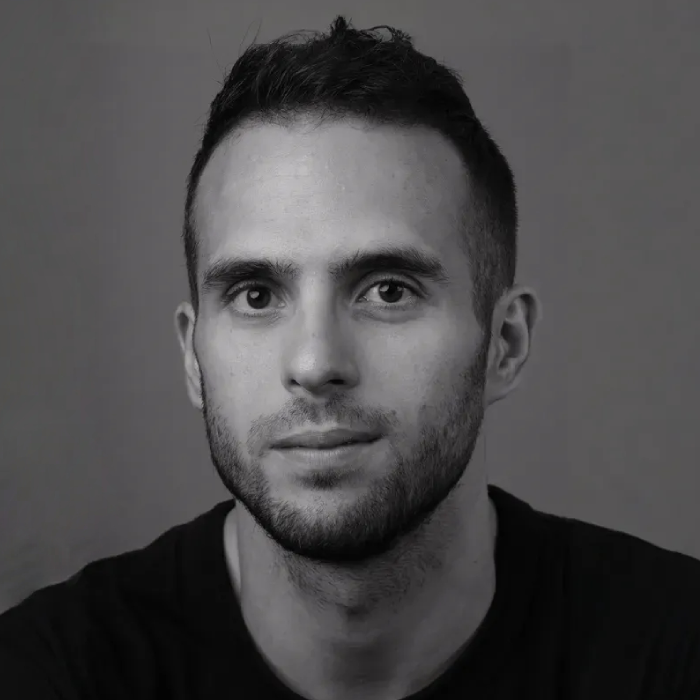
Àlex Valverde-Valencia

Àlex Valverde-Valencia

Pompeu Fabra University (Barcelona)
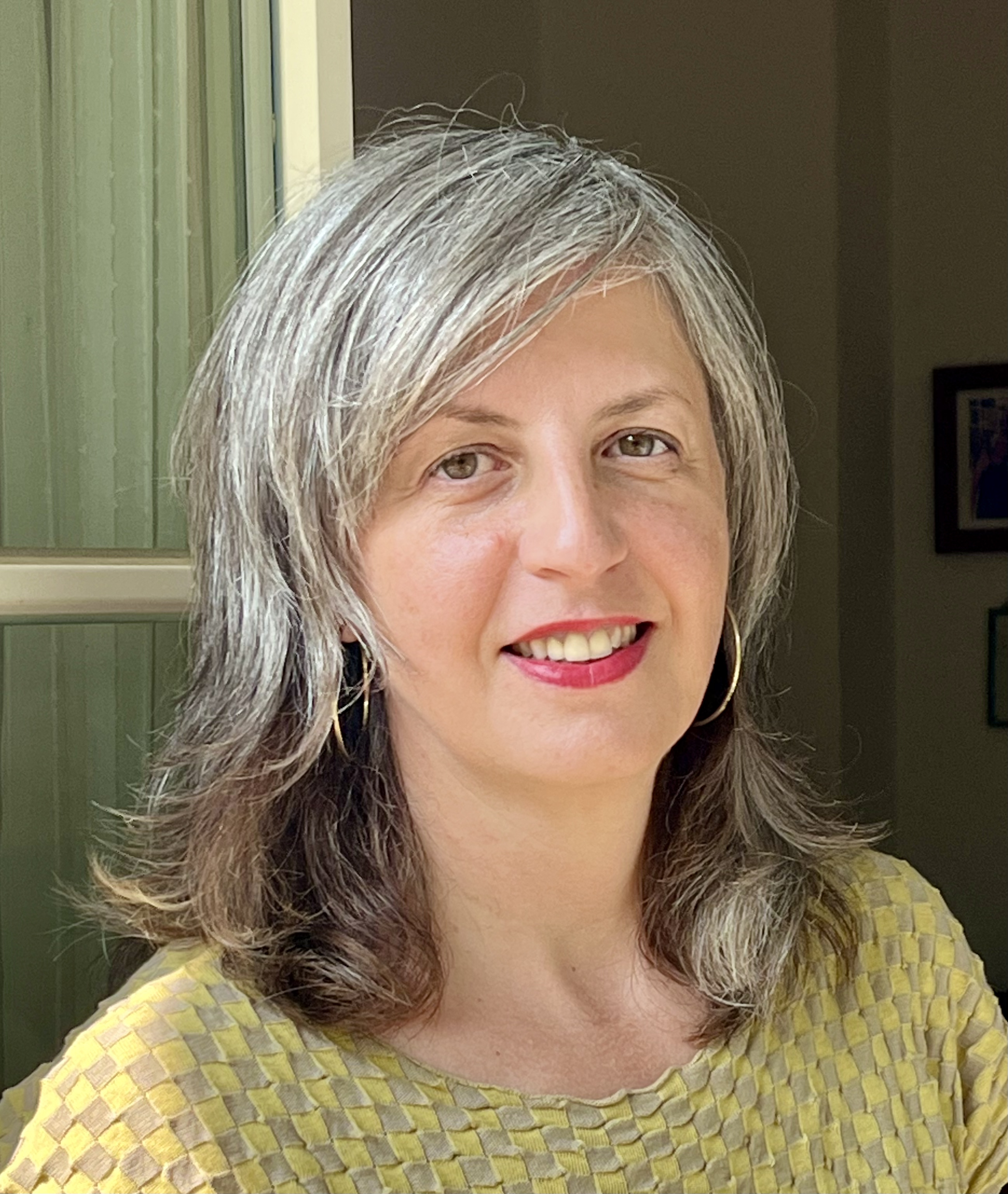
Szilvia Ruszev

Szilvia Ruszev

University College London
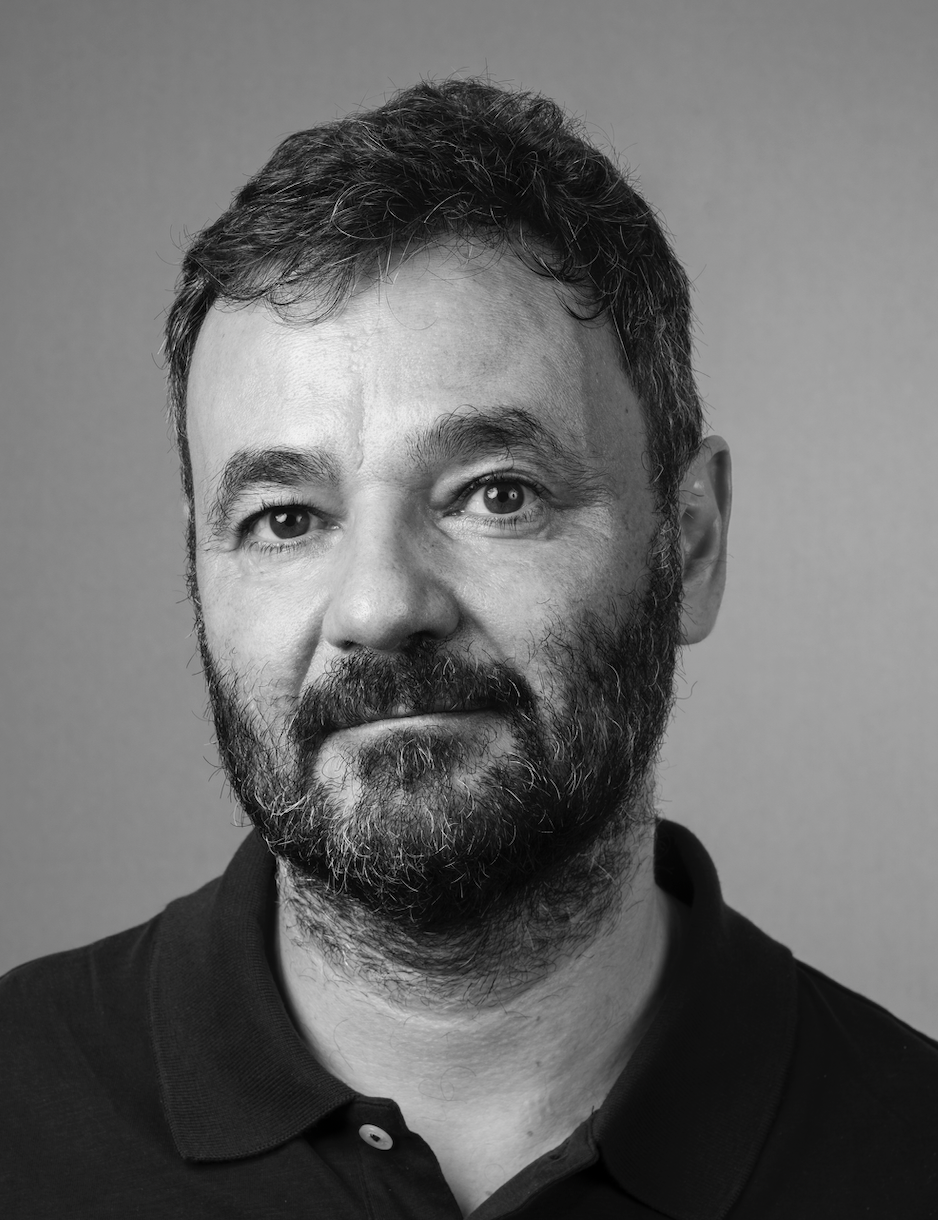
Frederic Guerrero-Solé

Frederic Guerrero-Solé

Pompeu Fabra University (Barcelona)
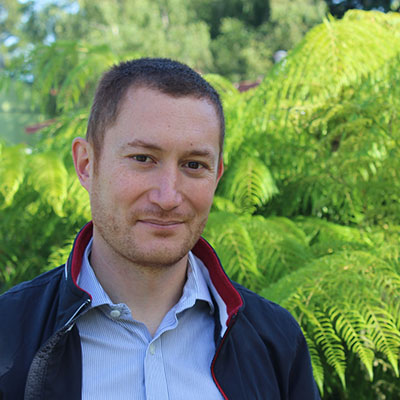
Claudio Celis Bueno

Claudio Celis Bueno

University of Amsterdam
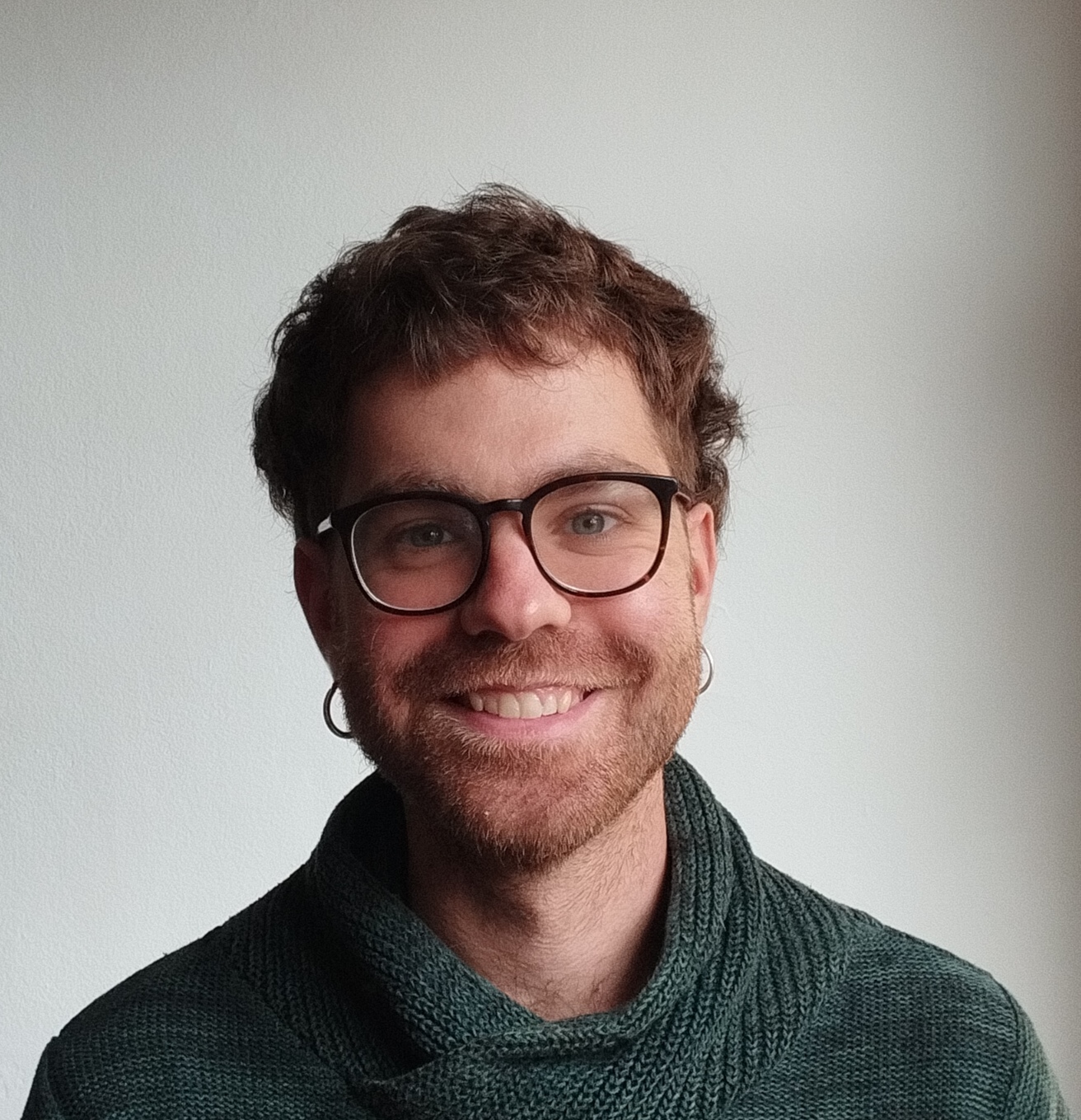
Bertran Salvador-Mata

Bertran Salvador-Mata

Pompeu Fabra University (Barcelona)

Contact

For more information or certificates of participation, please contact alex.valverde@upf.edu

Organized by Pompeu Fabra University (Barcelona) · University College London · University of Amsterdam